
Shopify AI Blog Content: A Strategic Guide for Merchants
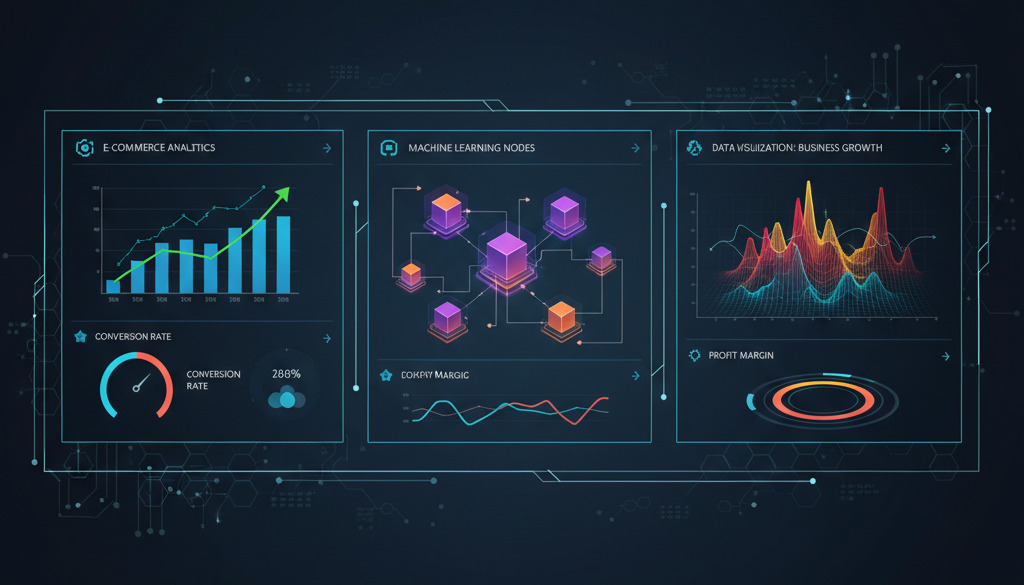
The e-commerce landscape is undergoing a systemic shift, moving away from static storefronts toward dynamic, intelligent ecosystems.[2] As merchants strive to meet the demands of an increasingly sophisticated consumer base, the integration of Artificial Intelligence (AI) has progressed from a futuristic luxury to a fundamental business requirement. Today, AI is not merely about automation; it is about augmenting the human capacity for creativity, strategy, and customer connection.
Shopify has positioned itself at the vanguard of this revolution. By embedding AI capabilities directly into its core infrastructure, the platform is democratizing access to high-level data science. Merchants are no longer required to hire expensive development teams to implement machine learning; instead, they can activate sophisticated algorithms with a few clicks. This article explores how Shopify’s AI initiatives are reshaping every facet of online retail, from the initial draft of a blog post to the complex logistics of global inventory management.
II. Understanding AI's Fundamental Impact on E-commerce Operations
To appreciate the value of AI on Shopify, one must first understand the three pillars of its technological influence: machine learning (ML), natural language processing (NLP), and predictive analytics. Machine learning allows systems to "learn" from historical data, identifying patterns that are invisible to the human eye. In a retail context, this means understanding why certain customers churn while others become brand advocates.
Natural Language Processing is the driver behind the recent surge in high-quality content generation. By "reading" and "writing" human language, NLP enables tools to generate product copy that doesn't just list features but speaks to human desires. Predictive analytics, meanwhile, serves as a digital crystal ball, analyzing past sales cycles and market signals to forecast future demand with startling accuracy. According to recent industry surveys, nearly one-third of consumers report that AI makes the online shopping experience feel less overwhelming, highlighting its role in reducing the "paradox of choice" through intelligent filtering.
III. Shopify's Integrated AI Ecosystem: Tools for Modern Merchants
Shopify’s commitment to AI is best exemplified by Shopify Magic, its suite of generative AI features designed specifically for commerce. Unlike generalized AI models, Shopify Magic is trained on commerce-specific data, making its outputs more relevant to the retail environment. This native integration ensures that AI is not a "bolt-on" feature but a seamless part of the merchant’s daily workflow.
- Shopify Magic for Content: Generates everything from product descriptions to email subject lines directly within the admin panel.
- Sidekick: Acting as an AI commerce assistant, Sidekick allows merchants to use natural language to execute complex tasks, such as "Give me a report on last month's top-performing products" or "Apply a 10% discount to all summer apparel."
- Native Personalization: AI-powered recommendation engines that analyze individual buyer behavior to suggest the most relevant items, significantly increasing cross-sell and up-sell opportunities.
- Fraud Analysis: Shopify's built-in AI scrutinizes thousands of signals across its entire network of stores to flag high-risk orders before they result in costly chargebacks.
IV. Boosting Content Creation with Shopify AI: From Descriptions to Marketing Copy
Content is the primary vehicle for search engine visibility and customer education, yet it is often the most time-consuming aspect of running a store. Shopify AI addresses this bottleneck by streamlining the creative process without sacrificing the store’s unique identity.
AI-Powered Product Descriptions
Writing five product descriptions is easy; writing five hundred unique, SEO-compliant descriptions is an operational nightmare. Shopify Magic allows merchants to enter basic features (e.g., "vegan leather," "waterproof," "blue") and select a tone—ranging from "sophisticated" to "playful." The AI then generates a full description that emphasizes benefits over features. This capacity for scale is transformative for brands with large catalogs, ensuring each product page is optimized for both Google’s crawlers and human shoppers.
Crafting Engaging Blog Content and Marketing Materials
Beyond product pages, AI is a powerful brainstorming partner. It can take a simple prompt like "benefits of silk pillowcases" and generate a structured blog post outline, complete with optimized headings and key talking points. Furthermore, AI tools are now capable of adapting a single piece of content for multiple channels. A well-written blog post can be distilled into a series of social media captions, an email newsletter teaser, and even ad copy for Google or Meta platforms, ensuring a consistent brand voice across the entire digital footprint.
V. Enhancing Customer Experience Through AI-Driven Personalization on Shopify
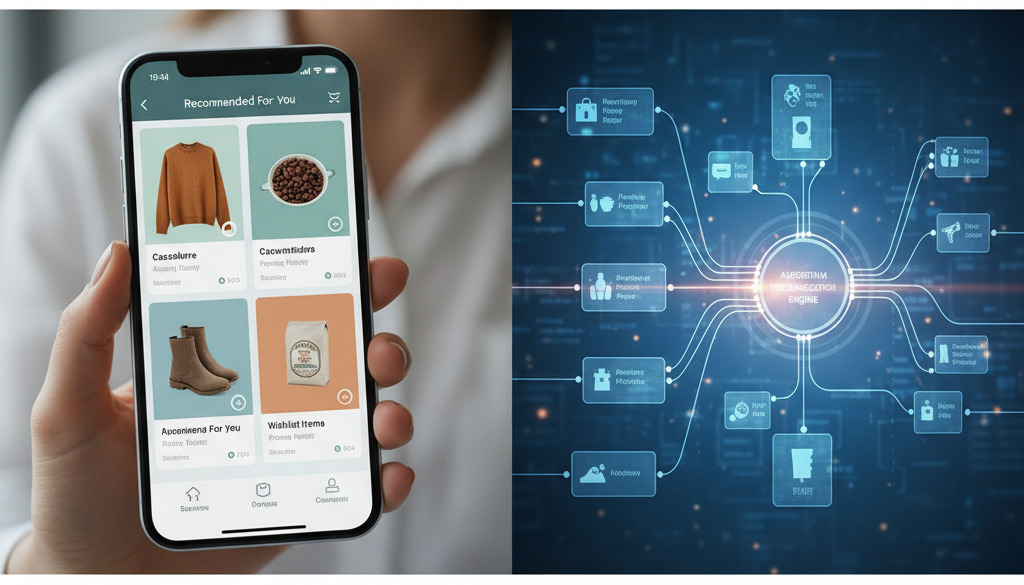
In 2024 and beyond, personalization is the benchmark for e-commerce excellence. AI-driven recommendation systems have moved past simple "customers also bought" logic. Modern Shopify stores use collaborative and hybrid filtering models to analyze a shopper’s interaction in real-time. If a user spends more time looking at sustainable materials, the store’s homepage and search results can dynamically shift to highlight eco-friendly collections.
Moreover, AI-powered search enhancements allow for "semantic search." Instead of relying on exact keyword matches, the store understands intent. If a customer searches for "outfit for a summer wedding," the AI identifies products categorized under "dresses," "heels," and "formal accessories" even if the word "wedding" isn't in those specific product titles. This reduction in friction directly correlates with higher conversion rates and improved Customer Lifetime Value (CLV).
VI. Optimizing Business Operations: Inventory, Pricing, and Fraud Detection with AI
While the front-end benefits of AI are visible to the consumer, the back-end applications are where the most significant gains in profitability are often found. Efficiency in the "boring" parts of the business—logistics and security—can make or break a brand's margins.
AI in Inventory Management and Demand Forecasting
Overstocking leads to capital lockup and markdowns, while stockouts lead to lost revenue and frustrated customers. AI models on Shopify analyze seasonal trends, historical sales data, and even external factors like weather or economic shifts to predict future inventory needs.[1] Merchants receive data-driven alerts on when to reorder, helping them maintain a "lean" inventory model that maximizes cash flow.
Dynamic Pricing Strategies Powered by AI
In highly competitive markets, fixed pricing can be a disadvantage. AI tools can monitor competitor pricing in real-time and adjust your store's prices within predefined parameters. This doesn't just mean "racing to the bottom." During periods of high demand or low competitor stock, AI can suggest price increases, ensuring that the merchant captures the maximum possible margin on every transaction.
AI for Enhanced Fraud Detection and Security
Fraudulent transactions are sophisticated, often bypassing traditional rule-based filters. AI models use anomaly detection to spot patterns that deviate from a customer's typical behavior. For example, if an account that usually buys one domestic item suddenly places three high-value orders for international shipping within an hour, the system can automatically flag or cancel the order. This proactive security is essential for maintaining a healthy relationship with payment processors.
VII. The Future of Shopify and AI: Emerging Trends and Innovations
The next frontier of Shopify AI lies in "agentic" e-commerce. We are moving toward a world where AI assistants don't just recommend products but proactively manage the entire shopping lifecycle. Imagine an AI agent that knows your wardrobe, recognizes you have a trip to the mountains planned, and suggests a curated "travel kit" before you even begin searching.
Furthermore, visual AI is set to revolutionize product discovery. Advancements in computer vision will allow customers to upload a photo of an item they saw in the real world and find the closest match in your Shopify store. Ethical considerations will also take center stage; as AI becomes more pervasive, transparency regarding how data is used and ensuring that AI-generated content remains authentic will be critical for maintaining consumer trust. Shopify is likely to introduce even more robust "human-in-the-loop" tools that allow merchants to audit and refine AI outputs easily.
VIII. Implementing AI in Your Shopify Store: A Strategic Approach
Adopting AI should not be a "scattergun" approach. Successful implementation requires a clear roadmap that aligns with specific business objectives. Merchants should resist the urge to automate everything at once, focusing instead on high-impact areas first.
Assessing Your Business Needs and Identifying AI Opportunities
Start by identifying your biggest operational bottleneck. If you are spending 20 hours a week on customer service emails, an AI chatbot like Tidio or Shopify’s own Inbox enhancements should be your priority. If your conversion rate is low despite high traffic, focus on AI-driven product recommendations and search optimization. Define your success metrics—such as a 10% reduction in support tickets or a 5% increase in Average Order Value (AOV)—before deploying any new tool.
Leveraging Shopify's Built-in Tools vs. Third-Party Apps
Shopify Magic provides an excellent baseline, but for advanced needs, the Shopify App Store offers specialized solutions. Native tools are typically cost-effective and easy to set up. However, third-party apps like Klaviyo (for AI-driven email segmentation) or Matrixify (for AI-assisted bulk data management) offer deeper customization. Weigh the cost of these apps against the projected time savings and revenue growth they provide.
Data Strategy and Ethical AI Considerations
AI is only as good as the data it consumes. Ensure your product tags are accurate, your customer data is clean, and your descriptions are detailed. Ethically, merchants must remain compliant with regulations like GDPR and CCPA. When using AI for content, always do a final "human review." AI can hallucinate facts or produce generic prose; your role is to inject the brand personality that builds a real connection with your audience.

IX. Measuring the ROI of AI in Your E-commerce Business
To justify the investment in AI, merchants must track specific Key Performance Indicators (KPIs). The return on investment (ROI) for AI isn't always found in a single line on the balance sheet; it is often distributed across several efficiency gains.
| AI Application | Primary KPI | Impact Measurement |
|---|---|---|
| Content Generation | Cost per Content Piece | Hours saved vs. freelance costs |
| Personalization | AOV & Conversion Rate | Revenue from "Recommended" items |
| Support Chatbots | Deflection Rate | Reduction in human-agent tickets |
| Demand Forecasting | Inventory Turnover | Reduction in carrying costs/stockouts |
By regularly auditing these metrics, merchants can determine which AI tools are delivering value and which are mere distractions. Iterative refinement is key—use A/B testing to compare AI-generated product descriptions against your original copy to see which resonates better with your specific demographic.
X. Conclusion: Embracing the AI Revolution for E-commerce Growth
The integration of AI into Shopify is no longer a fringe development; it is the cornerstone of modern retail strategy. From the subtle optimization of a search query to the massive efficiency of automated supply chain management, AI provides the leverage that small and medium-sized businesses need to compete with global giants. Shopify’s focus on integrated, user-friendly AI tools like Shopify Magic and Sidekick ensures that these powerful technologies are accessible regardless of technical expertise.
The merchants who thrive in the coming years will be those who view AI as a strategic partner. By automating the mundane and optimizing the complex, you free yourself to focus on what truly matters: brand storytelling, product innovation, and community building. The AI revolution is here; the only question is how you will harness its power to drive your store's next phase of growth.
Keep reading
Hand-picked guides that go deeper — open the one you need next:
- Shopify Store SEO: Drive Sales with AI-Powered Blog Content
- Shopify Store Owners: Maximize Sales with AI-Powered Blog Content
- Boost Your Shopify Sales with AI-Powered Buyer Intent Content
- Shopify E-commerce SEO: The Complete 2026 Guide
→ Read the full Shopify & Ecommerce guide