
Shopify Blog SEO: Growth Strategies for Small Business

Content marketing is no longer just an "extra" for small e-commerce businesses; it is the engine that drives sustainable, organic growth. In an era where customer acquisition costs via paid social media and search ads are skyrocketing, a well-optimized blog offers a high-ROI alternative. For small businesses operating on Shopify, the blog feature is often underutilized, yet it holds the potential to transform a storefront into a destination.[2] By bridging the gap between product availability and consumer information needs, businesses can capture traffic long before a customer is even ready to hit the "buy" button.
The challenge for small business owners is often time and specialized knowledge. Unlike large corporations with dedicated SEO departments, small ventures must be strategic and efficient. This article serves as a comprehensive roadmap to mastering Shopify blog SEO. We will explore how to move beyond simple post creation to a sophisticated strategy that aligns with search engine algorithms and, more importantly, the needs of your target audience.
Understanding SEO Fundamentals for Shopify E-commerce
Search Engine Optimization (SEO) is the process of improving your website's visibility in the non-paid (organic) search results of search engines like Google. For a Shopify store, this involves more than just listing products; it requires creating a holistic digital footprint that search engines deem authoritative and relevant.[1] At its core, SEO is about matching your content to the specific user intent of individuals searching for solutions, information, or products.
For small businesses, the primary benefit of SEO is cost-effectiveness. While PPC (Pay-Per-Click) campaigns stop delivering traffic the moment you stop paying, SEO builds "compounding interest." A blog post written today can continue to drive traffic and sales for years. Furthermore, ranking highly in search results builds immense brand trust; consumers perceive top-ranking sites as more credible and established.
Shopify provides a robust foundation for SEO out-of-the-box. It automatically generates a sitemap.xml, handles 301 redirects, and offers clean URL structures. However, these technical basics are only the starting point. To truly compete, a small business must leverage Shopify’s meta-editing capabilities for every blog post, ensuring that title tags and meta descriptions are optimized to entice clicks from the search engine results page (SERP).
Keyword Research: The Foundation of Your Shopify Blog's Visibility
The success of your Shopify blog depends entirely on the keywords you choose to target. To begin, you must identify customer search intent. Most searches fall into four categories: Informational (searching for answers), Navigational (finding a specific site), Transactional (ready to buy), and Commercial Investigation (comparing options). For your blog, the focus should primarily be on Informational and Commercial Investigation keywords.
For small businesses, competing for broad, high-volume keywords like "skincare" or "tools" is often futile. The real opportunity lies in long-tail keywords—longer, more specific phrases like "best organic night cream for sensitive skin" or "how to sharpen Japanese gardening shears." These phrases have lower search volume but much higher conversion rates because the user's intent is more defined.
To discover these gems, you don't necessarily need expensive software. Tools like Google Keyword Planner (free with an Ads account) or Ubersuggest provide valuable data. Additionally, look at the "People Also Ask" section in Google search results; these are actual questions your customers are asking. Once you have a list, map these keywords to specific blog topics. Every post should have one primary keyword and 3-5 secondary keywords that support the main theme without cannibalizing other pages on your site.
On-Page Optimization for Maximum Shopify Blog Impact
On-page SEO refers to the elements on your blog post that you can control directly. The most critical element is the Title Tag. While Shopify defaults to your post title, you should customize it in the "Search engine listing preview" section to ensure it is under 60 characters and places your primary keyword near the beginning. Behind the title, the Meta Description acts as your ad copy. Though not a direct ranking factor, a high click-through rate (CTR) signals to Google that your content is relevant.
Inside the content itself, keyword placement should feel natural and serves the reader first. Avoid "keyword stuffing"—a practice that Google now penalizes. Instead, aim for a keyword density of roughly 1-2%. Secure your primary keyword in the first paragraph, in at least one H2 heading, and naturally in the concluding summary. This helps search crawlers identify the topic quickly without degrading the reading experience.
Don't overlook multimedia. Large, unoptimized images are the leading cause of slow page speeds on Shopify. Before uploading, compress images using tools like TinyPNG. More importantly, fill out the Alt Text for every image. Alt text shouldn't just include keywords; it should describe the image for visually impaired users. Search engines use this text to understand the context of your visuals, which can also help your images rank in Google Images search.
Structuring Your Shopify Blog for Search Engines and Readers
Structure is the invisible framework that keeps both readers and search engines engaged. Using a proper hierarchy of headings (H1 for the title, H2 for main points, H3 for sub-points) creates a "skimmable" document. Current data suggests that readers only consume about 20% of the text on a page; headings allow them to find the specific value they need quickly, reducing bounce rates and increasing time-on-site.
Logical content flow is equally vital. Use short paragraphs (2-3 sentences) and bulleted lists to break up "walls of text." For small business blogs, this readability isn't just about aesthetics—it's about mobile optimization. With over 60% of organic traffic coming from mobile devices, a cluttered layout can lead to immediate exits. Shopify themes are generally responsive, but the way you format your text determines how easily a mobile user can digest your information.
Another powerful structural tool is internal linking. Every blog post should link to at least 2-3 other pages on your store. For example, if you are writing about "winter skin care routines," link to your specific moisturizers or a previous post about "understanding skin types." This practice helps Google index your pages faster and distributes "link juice" (authority) throughout your site, which can help your product pages rank higher.
Off-Page SEO: Building Authority and Trust for Your Shopify Blog
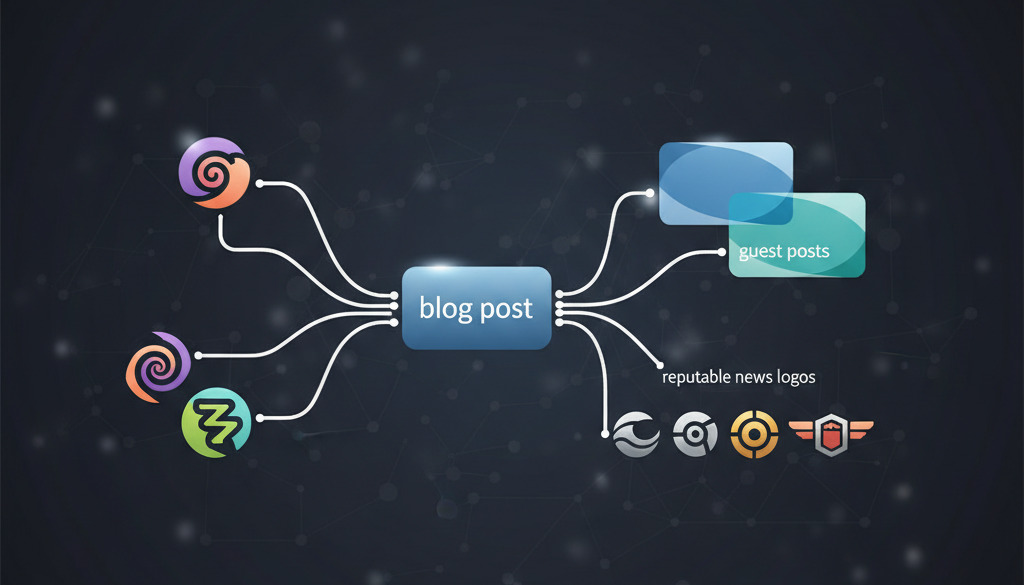
While on-page SEO tells Google what your site is about, off-page SEO tells Google how important you are. This is primarily measured through backlinks—links from other websites to yours. For a small business, a few links from local news outlets, industry blogs, or reputable directories are worth more than thousands of low-quality links from "link farms."
Ethical link building requires a "value-first" mindset. Guest blogging remains a viable strategy if done correctly; reach out to non-competing businesses in your niche to offer a high-quality guest post. For example, a small business selling eco-friendly yoga mats could write a guest post for a healthy living blog. Another effective tactic is the "Broken Link Building" method: find blogs in your niche that link to dead pages and suggest your relevant blog post as a replacement.
Social signals, while not a direct ranking factor, play a supporting role. When your blog content is shared on platforms like Pinterest or LinkedIn, it drives traffic and increases the likelihood that someone will eventually link to it from their own website. For Shopify owners, Pinterest is often a goldmine, as it acts more like a visual search engine than a social network, providing a long tail of traffic for high-quality blog graphics.
Technical SEO Considerations for Your Shopify Blog
Technical SEO ensures that your site is crawlable and indexed correctly. **Site speed** is a major ranking factor in Google’s "Core Web Vitals." Shopify is a hosted platform, which means you have less control over the server, but you can control your apps and code. Small businesses should regularly audit their Shopify apps; every unused app adds extra JavaScript that can slow down your blog posts. If a blog-related app isn’t providing measurable value, delete it.
Mobile-friendliness is non-negotiable. Google uses mobile-first indexing, meaning it looks at the mobile version of your site to determine rankings. Use Google's Search Console to check for mobile usability errors. Ensure that buttons aren't too close together and that text doesn't flow off the screen. Most modern Shopify themes handle this, but custom code or complex tables in blog posts can sometimes break responsiveness.
Shopify automatically generates your robots.txt and sitemap. You should submit your sitemap (usually found at yourstore.com/sitemap.xml) to Google Search Console. This acts as a direct line of communication to Google, telling it exactly which pages exist. It also allows you to see which pages have been indexed and if there are any crawl errors preventing your blog from being seen.
Content Strategy: Creating Blog Posts That Convert
A common mistake for small businesses is writing "random" blog posts. A successful strategy requires Content Pillars. Identify 3-4 broad topics that represent your brand’s expertise. Everything you write should fall under these pillars. For example, a specialty coffee roaster might have pillars for "Brewing Techniques," "Origin Stories," and "Equipment Care." This creates topical authority, signaling to Google that you are an expert in that specific niche.
To generate ideas beyond basic keywords, look at your customer service emails. What questions do people ask before buying? Those are perfect blog topics. Competitor analysis is also useful; see what their top-performing blog posts are (using tools like BuzzSumo or simply looking at social engagement) and aim to create a version that is more detailed, more up-to-date, or better designed.
The "80/20 Rule" is a good benchmark for e-commerce blogging: 80% of your content should be purely educational or entertaining, and only 20% should be overtly promotional. If every blog post is just a long-form ad for your products, readers will lose interest. However, you should still include subtle, relevant "Call to Actions" (CTAs). Instead of saying "Buy this now," try "If you enjoyed learning about cold brew, you might like our specific blend designed for easy home steeping."
Measuring Success: Tracking and Analyzing Your Shopify Blog's Performance
You cannot improve what you do not measure. For small businesses, the focus should be on Actionable Metrics rather than "vanity metrics." While total page views are nice, a more important metric for a Shopify blog is the **conversion rate from blog to checkout**. How many people read a post and then added an item to their cart? Google Analytics 4 (GA4) allows you to track these specific user journeys.
Google Search Console (GSC) is the best tool for identifying which keywords are actually driving traffic. Look for "low-hanging fruit"—keywords where your blog is ranking on page two (positions 11-20). Often, making a few updates to these posts or improving the meta description can push them onto page one, leading to a significant spike in traffic.
Engagement metrics like "Average Engagement Time" and "Bounce Rate" tell you if your content is fulfilling the user's search intent. If people are leaving within five seconds, your headline likely promised something that the content didn't deliver, or your page layout is confusing. Use this data to iterate; SEO is not a "set it and forget it" task but a process of constant refinement based on real-world performance data.
Advanced Shopify Blog SEO Tactics
Once you have mastered the basics, you can engage in advanced tactics like Topic Clusters. This involves creating a deep, comprehensive "Pillar Page" about a broad topic and then writing multiple "Cluster" articles that dive into specific sub-topics. By linking all the cluster articles back to the pillar page, you create a powerful web of information that is very difficult for competitors to displace in the rankings.
User-Generated Content (UGC) can also be a massive SEO asset. Incorporating customer reviews or a "Q&A" section at the bottom of blog posts adds "freshness" to the page and naturally includes long-tail phrases that real customers use. This social proof not only helps with SEO but directly boosts conversion rates by building trust with new visitors.
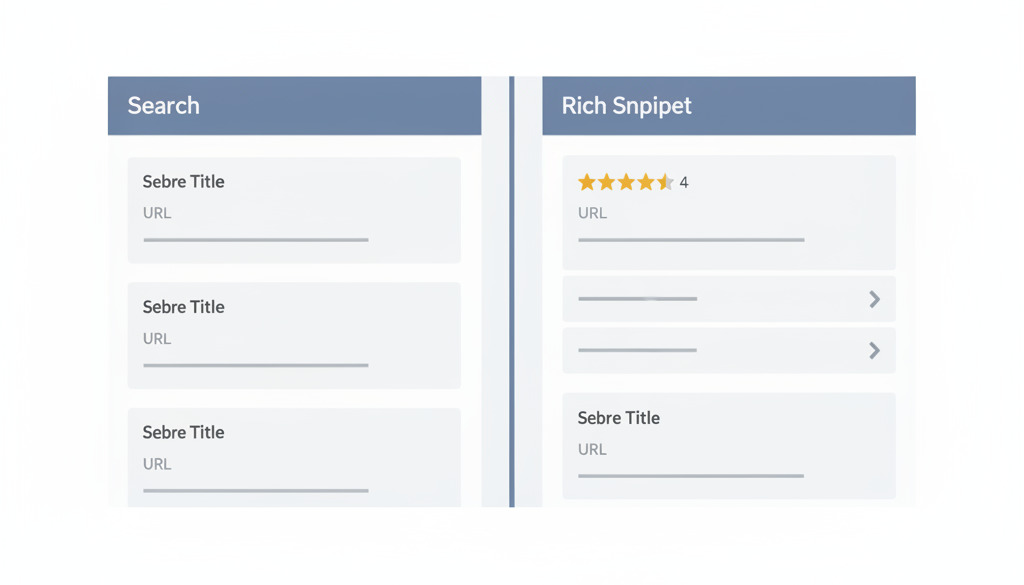
Finally, consider **Schema Markup**. While Shopify handles some basic schema, you can use apps or custom liquid code to add specific "Article" or "FAQ" schema to your blog posts. This can result in "Rich Snippets" in the search results—those expanded listings that show frequently asked questions or star ratings directly on the Google search page. These snippets significantly increase click-through rates by making your result physically larger and more informative than others.
Future-Proofing Your Shopify Blog with SEO Best Practices
Search algorithms are constantly evolving, with several major updates occurring every year. The best way to future-proof your Shopify blog is to focus on **E-E-A-T**: Experience, Expertise, Authoritativeness, and Trustworthiness. Google’s recent updates heavily favor content written by people with real-world experience. For a small business, this means showing the "faces" behind the brand—use author bios, share behind-the-scenes stories, and prove that you are an expert in your field.
Content maintenance is as important as content creation. High-ranking posts can eventually lose their position as information becomes outdated or competitors release better versions. Set aside time every quarter to "refresh" your top 10 performing blog posts. Update the statistics, check for broken links, and add any new insights. This signals to Google that the content is still relevant and "fresh," helping to maintain its ranking over the long term.
Ultimately, the future of SEO is moving toward Helpful Content. Gone are the days when you could "trick" a search engine with technical hacks. Today, Google's AI is sophisticated enough to recognize content that truly helps a user. For a small business, this is an advantage. You know your products and your customers better than anyone. By translating that passion and knowledge into helpful, well-structured blog content, you create a competitive moat that no amount of advertising spend can easily cross.
Conclusion
Mastering Shopify blog SEO is a journey of persistence and strategy rather than overnight success. For the small business owner, every blog post represents a new opportunity to reach a potential customer, solve a problem, and establish market authority. By focusing on intent-driven keyword research, meticulous on-page optimization, and a clear technical structure, you can compete with larger brands on the global stage of search results.
Remember that the most successful SEO strategies are those that prioritize the human reader. If you provide genuine value, the search engine rankings will follow. Start small—perhaps one high-quality, optimized post per week—and monitor your results. Over time, these individual efforts will aggregate into a powerful traffic engine that drives consistent, organic growth for your Shopify store. Stay consistent, stay patient, and let your expertise lead the way.
Keep reading
Hand-picked guides that go deeper — open the one you need next:
- Shopify Sales Surge: Driving Traffic with AI-Powered Blog SEO
- Automated Content Publishing for E-commerce: Drive Sales on Shopify
- Shopify Store Owners: Drive Sales with AI-Powered Blog Content
- Shopify Blog SEO: AI Articles for More Traffic & Sales
→ Read the full Shopify & Ecommerce guide
→ Read the full Shopify & Ecommerce guide