
The Ultimate Guide to AI Product Description Generators
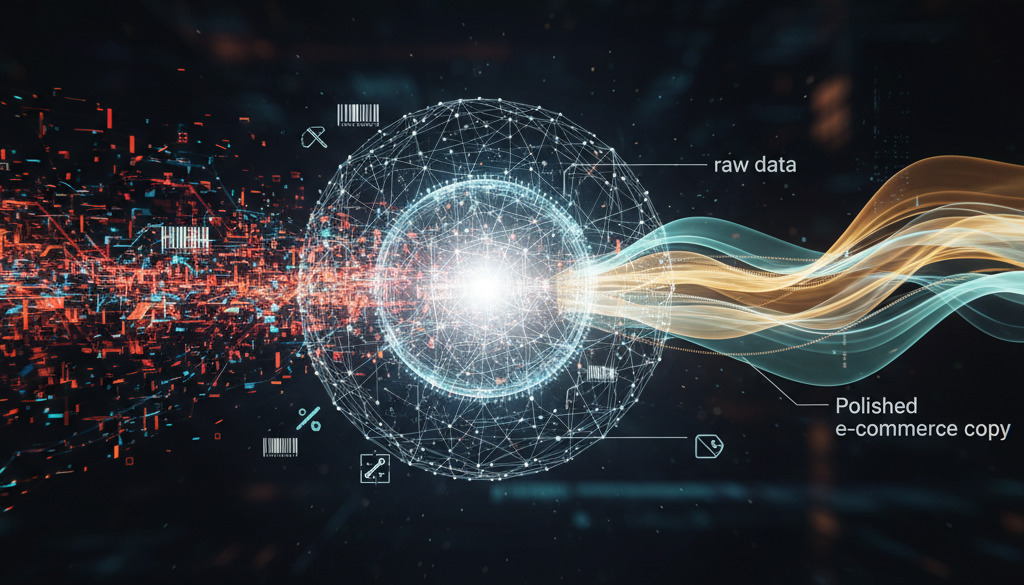
I. Introduction: The Evolving Landscape of Product Descriptions and the Rise of AI
In the high-stakes world of modern e-commerce, the product description serves as the digital equivalent of a seasoned floor salesperson.[1] It is the bridge between a consumer's curiosity and their final decision to click "Add to Cart." However, as digital marketplaces become increasingly crowded, the demand for high-quality, persuasive, and SEO-optimized copy has created a significant bottleneck for businesses. Historically, creating these descriptions required an arduous manual process, involving specialized copywriters who had to balance creative flair with technical search engine requirements.
The traditional approach is no longer sustainable for brands managing thousands of SKUs or those operating in the fast-paced world of "drop culture" and rapid inventory turnover. This pressure has paved the way for the AI product description generator—a transformative technology that leverages artificial intelligence to produce human-grade copy in a fraction of the time. This article explores how these sophisticated tools are not just automating a task, but fundamentally redefining the strategic value of product content in the digital age.
II. Understanding the Mechanics: How AI Product Description Generators Work
At the core of an effective AI product description generator lies a combination of Natural Language Processing (NLP) and Machine Learning (ML). Unlike the simplistic templates of the past, modern AI utilizes Transformer architectures, such as the Generative Pre-trained Transformer (GPT) variants. These models are trained on massive datasets comprising billions of parameters, allowing them to understand the nuances of syntax, semantics, and even market-specific jargon.
The functionality of these tools is driven by prompt engineering. Users provide raw input—typically a mix of technical specifications, primary keywords, and target audience data. The AI then processes this information through its neural network, predicting the most appropriate sequence of words based on the patterns it has learned. Modern platforms have evolved to include "agentic" e-commerce flows, where AI agents can research a product's history and competitor listings before writing a single word. This ensures the output isn't just grammatically correct, but contextually relevant and strategically positioned within its market niche.
III. The Strategic Advantage: Enhancing Efficiency and Scalability
The most immediate impact of adopting an AI product description generator is the radical improvement in operational efficiency. For enterprises managing expansive catalogs, the time required to go from product acquisition to a live listing can be reduced by as much as 90%. Instead of waiting days for a creative team to draft and review copy, businesses can now generate hundreds of descriptions simultaneously through bulk processing features.
Scalability is the engine of e-commerce growth. When a business expands into new markets or launches seasonal collections, the AI maintains a consistent brand voice across all listings, regardless of the volume. This consistency prevents the "fragmented brand" problem often seen when multiple human writers with different styles contribute to the same catalog. Furthermore, systems like Amplience Workforce are now demonstrating that AI can handle the entire research-and-write flow, allowing human teams to shift from creators to editors, significantly lowering the cost per listing while increasing the speed to market.
IV. Elevating Engagement: Crafting Compelling and Persuasive Copy
A common misconception is that AI-generated text is cold or clinical. On the contrary, advanced generators are designed to move beyond feature lists to focus on benefits-driven language. By analyzing the "pain points" identified in the input data, the AI can craft narratives that explain how a product solves a specific problem or enhances the customer’s lifestyle. This shift from "what the product is" to "what the product does for you" is essential for increasing conversion rates.
Tailoring Tone and Voice
Branding is defined by personality. Modern AI tools allow users to configure specific "voice profiles." Whether your brand identity is quirky and Gen-Z focused or authoritative and professional, the AI adapts its vocabulary and sentence structure accordingly. For example, a luxury watch brand can instruct the AI to use sophisticated, evocative language, while a streetwear brand might prioritize punchy, high-energy copy.
Highlighting Unique Selling Propositions (USPs)
The most effective AI generators don't just summarize; they emphasize. By utilizing "agentic" capabilities, the AI can cross-reference the product features against industry standards to highlight what makes the item unique. If a garment is made from a specific sustainable fabric or a gadget has a battery life that outperforms the competition, the AI can be prompted to make these USPs the centerpiece of the description.
V. Optimizing for Discovery: AI's Role in Search Engine Optimization (SEO)
In e-commerce, visibility is everything. An AI product description generator acts as a built-in SEO specialist by naturally weaving primary, secondary, and long-tail keywords into the text. Unlike manual "keyword stuffing," which can lead to search engine penalties and poor user experience, AI uses semantic SEO principles. This means it understands the relationships between concepts, creating content that search engines like Google perceive as high-value and authoritative.
Beyond the main body of the description, these tools also generate optimized meta titles and meta descriptions. These elements are critical for improving Click-Through Rates (CTR) from Search Engine Results Pages (SERPs). By maintaining the ideal keyword density and ensuring that the most important information appears in the "above the fold" summary, AI helps ensure that products are not only found but also clicked on by potential buyers.
VI. Personalization at Scale: Tailoring Descriptions to Specific Audiences
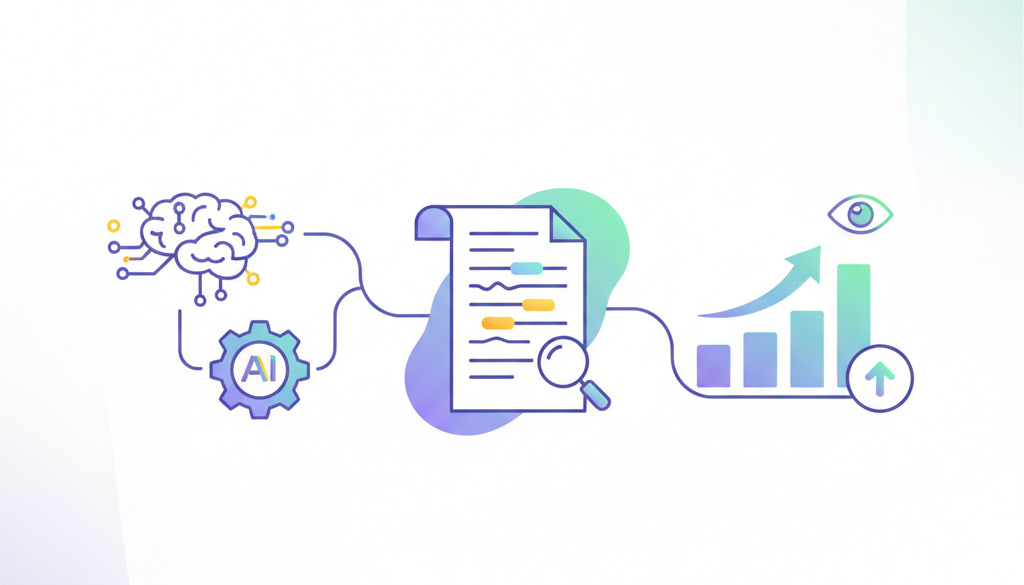
The "one-size-fits-all" approach to product copy is fading. AI enables a level of personalization previously reserved for high-budget marketing campaigns. By analyzing buyer personas, an AI generator can produce multiple versions of the same product description tailored to different segments. For instance, a coffee maker description might highlight "technical precision and temperature control" for a coffee enthusiast, while emphasizing "one-touch convenience and morning speed" for a busy professional.
Integrated with customer data platforms (CDP), AI can even facilitate dynamic content generation. If a user arrives at a site via a search for "sustainable footwear," the AI can ensure the footwear descriptions they view lead with the product’s eco-friendly credentials. This relevance directly correlates with higher engagement and increased customer loyalty, as the shopper feels the brand understands their specific priorities.
VII. Beyond Text: AI-Generated Visuals and Multimedia Integration
The next frontier for the AI product description generator is its integration with visual and multimedia tools. Recent developments in computer vision now allow AI to "see" product photos. Tools like Nextify.ai can scan an image and automatically extract selling points—such as the texture of a fabric or the specific ports on an electronic device—to inform the written description.
Furthermore, these platforms are increasingly offering "text-to-multimedia" capabilities. Once a compelling description is written, the AI can instantly transform that text into scripts for AI-generated video ads or social media snippets. This creates a cohesive marketing ecosystem where the written description, visual assets, and video commercials all stem from a single, unified data source, ensuring brand alignment across all touchpoints.
VIII. Implementation and Best Practices for AI Product Description Generators
Successfully integrating AI into a workflow requires more than just choosing a tool; it requires a strategic framework. The first step is selecting a platform that integrates with your existing PIM (Product Information Management) or e-commerce system (like Shopify, Magento, or BigCommerce). This allows for a seamless flow of data where the AI can pull technical specs and push back finished copy without manual intervention.
Prompt Engineering Deep Dive
To get the highest quality output, users must master the art of the prompt. Instead of a generic instruction like "Write a description for a blue shirt," a sophisticated prompt would be: "Act as a luxury fashion copywriter. Write a 150-word description for this navy blue silk-blend dress shirt. Emphasize the breathable fabric and the tailored fit for evening wear. Target demographic: male professionals, ages 30-45. Tone: Elegant but accessible."
Crucially, businesses must maintain a "Human-in-the-loop" (HITL) model. While AI can do the heavy lifting, human oversight is mandatory to catch factual inaccuracies, ensure the tone hasn't veered off-brand, and verify that the AI hasn't made any "hallucinated" claims about product certifications or warranties. Ethics in AI also demand that the copy remains truthful and avoids misleading the consumer.
IX. Measuring Success: Key Performance Indicators (KPIs) for AI-Generated Descriptions
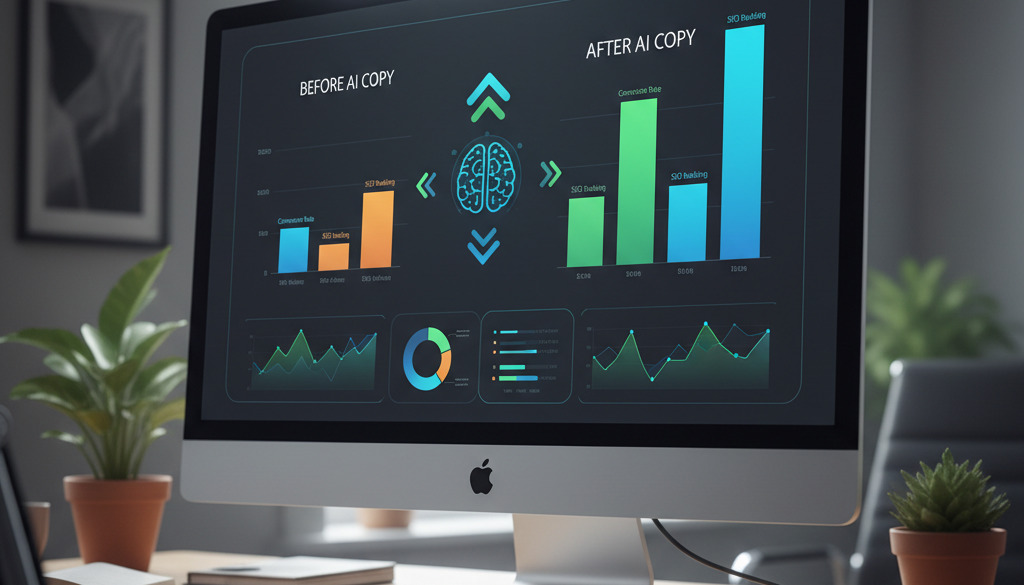
To justify the investment in AI technology, businesses must track specific metrics that correlate with content quality. The most critical KPI is the Conversion Rate. By comparing the performance of AI-generated descriptions against historical manual data (or through A/B testing), brands can see the direct impact of AI copy on sales.
Other vital metrics include Organic Search Traffic, which measures how well the AI's SEO optimizations are performing, and Average Session Duration, which indicates how engaging the copy is to the reader. Additionally, monitoring Return Rates is essential; if returns increase after implementing AI copy, it may indicate that the AI is being too "creative" and creating unrealistic expectations about the product features.
X. The Future of Product Description Generation: Emerging Trends and Innovations
We are entering an era of "Agentic E-commerce," where AI doesn't just wait for a prompt but proactively manages the content lifecycle. Future AI models will likely incorporate real-time market data, adjusting product descriptions autonomously based on trending search terms or competitor price drops. Imagine an AI that notices a sudden spike in "waterproof camping gear" searches and instantly updates your descriptions to highlight those specific features across your outdoor collection.
Moreover, as language models become more specialized, we will see "niche-trained" AIs—models designed specifically for the medical device industry, the legal sector, or technical engineering. These models will possess a deeper "understanding" of regulatory requirements and specialized terminology, further reducing the need for extensive human editing and ensuring absolute technical accuracy at scale.
XI. Mitigating Risks and Challenges: Addressing Limitations of AI Generators
Despite their capabilities, AI generators are not infallible. One primary risk is the production of "generic" content that lacks the soul of a brand. To combat this, businesses must avoid using the AI's default settings and instead input rich, proprietary brand data. Another challenge is algorithmic bias; because AI models are trained on existing internet data, they can inadvertently replicate social biases or outdated stereotypes.
Factual accuracy remains a priority. AI models are predictive, not investigative; they don't "know" your product is made of 100% recycled ocean plastic unless it is explicitly stated in the input data. Over-reliance on AI without a rigorous quality control process can lead to customer dissatisfaction and potential legal issues. The goal is to treat the AI as a highly efficient co-pilot that assists the human writer, rather than a total replacement for human judgment and creative intuition.
XII. Conclusion: Embracing AI as a Powerful Catalyst for E-commerce Growth
The **AI product description generator** has evolved from a futuristic novelty into an essential tool for the competitive e-commerce landscape. By automating the most labor-intensive aspects of content creation, it allows brands to focus on high-level strategy, product innovation, and customer experience. The benefits—ranging from unparalleled efficiency and scalability to enhanced SEO and personalized marketing—are too significant to ignore.
As we look to the future, the most successful brands will be those that strike a perfect harmony between machine efficiency and human creativity. By embracing AI as a strategic partner, e-commerce businesses can ensure that every product listing is not just a block of text, but a powerful, optimized, and persuasive tool for growth. The transition is no longer about whether to use AI, but how effectively you can integrate it to define your brand’s voice in the digital marketplace.
Keep reading
Hand-picked guides that go deeper — open the one you need next:
- Mastering Automated Content Publishing for Business Scale
- Mastering the AI Article Writer for SEO Content
- The Entrepreneur's Secret Weapon: AI-Powered Blog Autopilot Explained
- Unlock Organic Traffic: AI-Generated Blog Content
→ Read the full AI Content guide
→ Read the full AI Content guide