
Shopify Blog Optimization AI: The Complete Merchant Guide

The modern e-commerce environment is no longer just about having a great product; it is about how effectively that product can be discovered in a sea of digital noise. For Shopify merchants, content marketing through blogging has long been the gold standard for building authority and driving organic traffic.[1] However, the manual labor required to maintain a high-quality blog—from keyword research to the final edit—often stretches small to medium-sized teams to their limits.
Enter the era of Shopify blog optimization AI. We are witnessing a fundamental shift where artificial intelligence is moving beyond simple "chatbots" and into the core of search engine strategy. With AI-driven referral traffic to retail sites surging nearly 700% during recent holiday seasons, the stakes for your blog have changed. It is no longer just about Google’s blue links; it is about appearing in the curated answers of Perplexity, ChatGPT, and Gemini. This article explores how to harness these technologies to turn your Shopify blog into a high-conversion asset.
Understanding the Core Benefits of AI in Shopify Blog Content Strategy
The primary hurdle for most Shopify merchants is the "blank page syndrome" combined with the lack of actionable data. AI addresses these bottlenecks by providing a layer of operational efficiency that was previously only available to enterprise-level brands with dedicated data science teams. By integrating AI into your content strategy, you can automate the mundane while sharpening your competitive edge.
One of the most significant advantages is the move from reactive to proactive planning. Instead of guessing what your audience might want to read, AI tools analyze historical shopping data and cross-reference it with real-time seasonal trends. This allows you to produce content that specifically targets the "bottom-of-the-funnel" shoppers—those most likely to convert. Furthermore, AI helps bridge the resource gap; if you are a team of one, AI acts as a researcher, editor, and SEO specialist, allowing you to scale your production without a proportional increase in headcount or overhead.
AI-Powered Keyword Research and Topic Ideation for Shopify Niches
Traditional SEO tools often rely on historical volume, which can be lagging. AI-powered research tools change the game by identifying "emerging" intent. For a Shopify store specializing in sustainable kitchenware, AI doesn't just suggest "sustainable plates"; it identifies a rising trend in "eco-friendly picnic sets for urban apartments" by analyzing social media sentiment and niche forum discussions.
The true power lies in understanding search intent. AI models can categorize keywords into informational, navigational, or transactional categories with high precision. This ensures that your blog post about "The Best Ways to Clean Cast Iron" actually points users toward your cast iron cleaning kit rather than just providing a generic DIY tutorial. By feeding your SKU list into AI research tools, you can generate a content calendar where every single topic is mathematically linked to a product category, ensuring that your traffic isn't just "vanity traffic" but potential revenue.
Leveraging AI for Enhanced Content Creation and Writing Assistance
Writing for e-commerce requires a specific balance of persuasion, information, and brand voice. AI writing assistants have evolved beyond generic text generation; they can now be "trained" on your specific brand guidelines. By uploading your previous successful blog posts and your brand's tone-of-voice document, AI can draft 1,500-word articles that sound exactly like your best human writer.
These tools are particularly effective at breaking down technical product specifications into lifestyle benefits. For example, if you sell high-end running shoes, AI can translate "dual-density EVA foam" into a compelling paragraph about "reducing knee fatigue during long-distance training." This ensures that your blog remains readable and engaging for the average consumer while maintaining the technical accuracy required to build trust.
AI-Generated Product Descriptions and Integration into Blog Content
Shopify Magic is already a staple for many, but the real magic happens when you integrate these descriptions natively into your blog flow. Instead of a jarring product link, AI can generate "contextual blurbs" that weave the product's benefits into the narrative of the article, making the "Buy Now" button feel like a natural next step in the reader's journey.
AI for Crafting Engaging Headlines and Meta Descriptions
Click-through rate (CTR) is the lifeblood of SEO. AI can A/B test dozens of headline variations in seconds, identifying which emotional triggers (e.g., urgency, curiosity, or utility) resonate most with your target demographics. Similarly, it can automate the creation of unique, keyword-rich meta descriptions for hundreds of past blog posts that may have been neglected.
AI-Driven SEO Optimization: Technical and On-Page Excellence
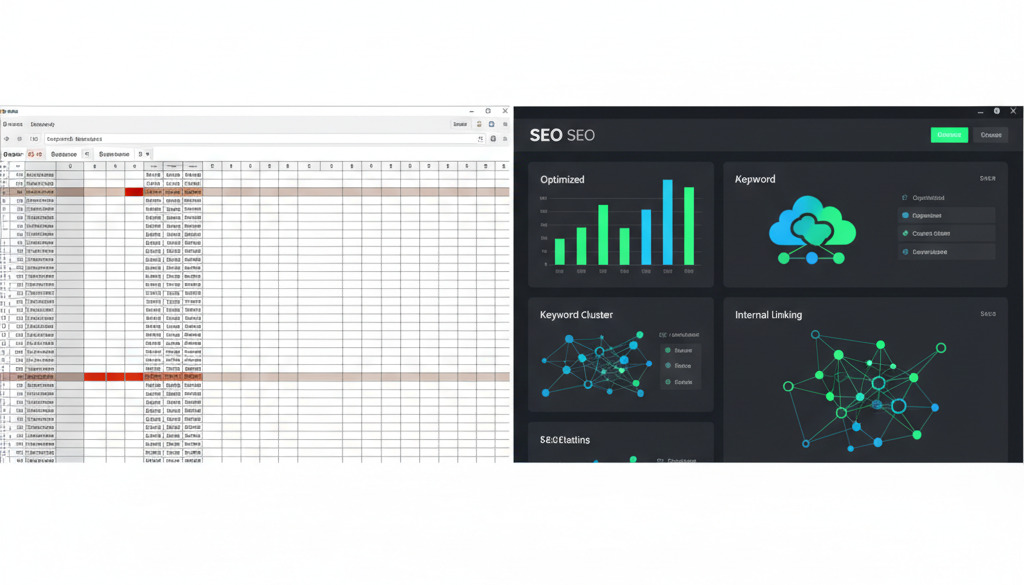
On-page SEO for a Shopify blog involves more than just hitting a keyword density target. It requires proper semantic structure, entity optimization, and internal linking. AI tools can now perform "entity analysis"—ensuring your article about "Cold-Brew Coffee" also mentions related concepts like "steep time," "coarse grind," and "filtration," which search engines use to determine the topical authority of your content.
Furthermore, AI-driven SEO tools can scan your entire Shopify site to suggest the best places to insert internal links. For instance, if you write a new post about "Summer Skincare," the AI can automatically identify older posts about "Hydration" or "SPF" that should link to the new content. This creates a "content silo" that boosts the authority of all related pages, signaling to Google that your store is a comprehensive resource in your niche.
Personalizing User Experience with AI-Generated Content Recommendations
The era of static "Related Posts" sections is over. AI now allows for dynamic content recommendation engines that adapt in real-time based on a visitor's behavior. If a user enters your blog via a post about "Home Office Ergonomics" and spends three minutes reading it, the AI can swap out standard recommendations for articles specifically about "Ergonomic Chairs" or "Monitors for Productivity."
This level of personalization significantly reduces bounce rates. When a reader sees a "You might also like" section that actually reflects their current interest, they are far more likely to stay on-site. For Shopify merchants, this translates to longer session durations and more opportunities to present the customer with relevant product offers. Predictive AI can even guess what a customer might need next—suggesting a "Maintenance Guide" blog post two weeks after a customer purchases a complex piece of equipment.
Integrating AI Recommendations with Shopify Product Pages
By reversing the flow, AI can also place blog content on product pages. If a customer is looking at a high-end camera, an AI widget can surface a blog post titled "5 Professional Tips for Night Photography Using [Product Name]." This provides social proof and educational value right at the point of purchase, often serving as the final nudge needed for a conversion.
AI for Content Performance Analysis and Performance Prediction
Most Shopify owners look at Google Analytics and see what happened. AI allows you to see what will happen. By processing years of Shopify sales data alongside blog traffic patterns, AI models can identify "lead indicators" of success. For example, an AI analysis might reveal that customers who read at least two blog posts are 40% more likely to become repeat buyers than those who only visit product pages.
This predictive capability is vital for budget allocation. If the AI predicts that a specific content cluster on "Sustainable Fashion" will peak in interest every April due to Earth Day trends, you can begin your content production and optimization cycles months in advance. It also helps identify "decaying" content—articles that used to drive traffic but are losing their ranking—allowing you to refresh them before they fall off the first page of search results.
Optimizing Content Distribution and Promotion with AI Insights
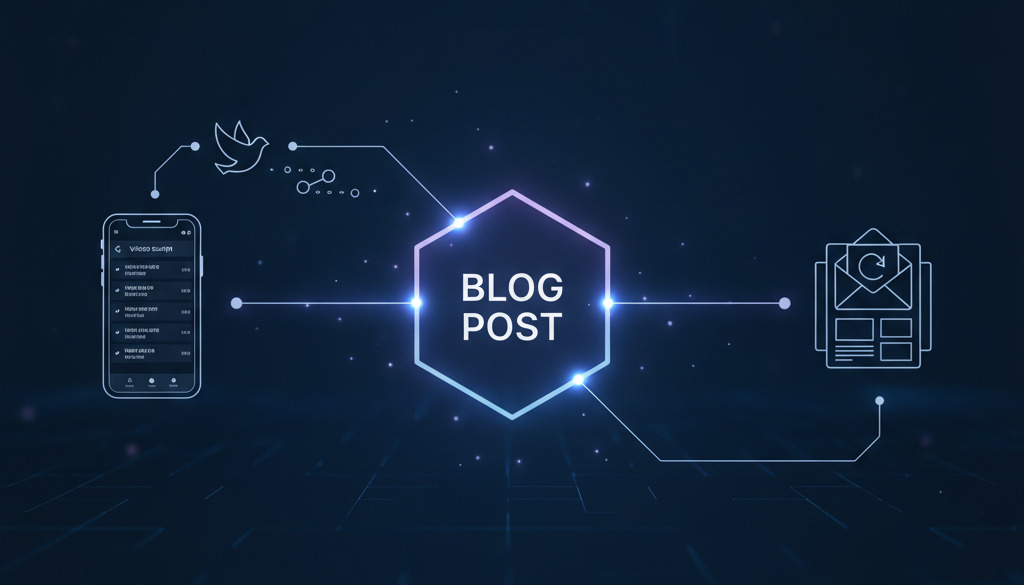
Creating great content is only half the battle; the other half is getting it in front of the right eyes. AI can analyze your email marketing and social media data to determine the exact moment your audience is most receptive. Instead of posting a blog update at a generic time, AI can schedule your Shopify blog promotion to hit the inbox of your "VIP" segment exactly when they historically open emails.
Furthermore, AI can assist in "reformatting" content. A single 2,000-word Shopify blog post can be automatically distilled into a 10-tweet thread, a LinkedIn summary, and a script for a TikTok video. This omnichannel approach ensures that you maximize the ROI of every piece of content you produce, reaching different audience segments across various platforms with minimal manual effort.
AI-assisted Social Media Content Calendar Planning
AI tools can examine the performance of different content formats (video, image, text) across your social channels and suggest a calendar that balances promotional posts with educational blog content. This prevents "audience fatigue" and keeps your brand's social presence feeling fresh and value-driven rather than purely transactional.
Ethical Considerations and Best Practices for AI in Shopify Blogging
While AI is powerful, it is not infallible. One of the greatest risks for Shopify merchants is the loss of brand soul. If every store uses the same AI prompts, the internet becomes a sea of beige, repetitive content. The "human-in-the-loop" model is essential. Every AI-generated draft must be reviewed by a human for brand voice, factual accuracy, and cultural sensitivity.
Data privacy is another critical factor. When using AI tools that analyze your Shopify customer data, ensure they are GDPR and CCPA compliant. Never feed sensitive customer information into "public" AI models. Lastly, prioritize authenticity. In an age of AI-generated misinformation, your customers will value transparency. If an article was assisted by AI, some brands find success in being transparent about it, while others focus on ensuring the "human polish" is so high that the AI's involvement is purely foundational.
Implementing AI Tools for Shopify Blog Optimization: A Practical Guide
Starting with AI doesn't require a total overhaul of your current workflow. The key is to start with one functional area—such as keyword research or drafting—and expand from there. For most Shopify stores, a "layered" tech stack works best: an AI SEO tool (like SurferSEO or Frase), an AI writing assistant (like Jasper or Copy.ai), and an AI recommendation engine (like Rebuy or Bold Brain).
Begin by auditing your top 10 most visited blog posts. Use an AI SEO tool to see how they can be improved for current search trends. Often, a few AI-suggested tweaks to headings and the addition of a few "missing entities" can result in a significant traffic boost within weeks. Once you've optimized the "greatest hits," move on to using AI for generating new content ideas that fill the gaps in your current customer journey.
Identifying the Right AI Tools for Your Shopify Business Size and Budget
Solo entrepreneurs should look for "all-in-one" tools that offer a bit of everything, whereas larger teams might benefit from specialized "best-of-breed" software. Always look for tools that offer direct Shopify integration, as this reduces the friction of copying and pasting content back and forth, which can lead to formatting errors and lost metadata.
The Future of AI in Shopify Content Marketing: Trends and Predictions
The future of e-commerce blogging is shifting toward "Answer Engine Optimization" (AEO). As shoppers increasingly use voice search and AI assistants like Gemini and Perplexity, your blog needs to provide direct, structured answers to specific questions. This means using more Schema markup and FAQ sections—elements that AI is perfectly suited to generate.
We are also moving toward "generative media," where a blog post won't just be static text, but will include AI-generated videos and interactive elements tailored to the individual viewer. For Shopify merchants, the message is clear: AI is no longer a luxury for the tech-forward; it is a foundational requirement for anyone looking to maintain organic visibility in an increasingly automated world. By embracing Shopify blog optimization AI today, you are not just keeping up—you are building a future-proof brand that speaks the language of both search engines and humans alike.
Leveraging AI for Enhanced Shopify Blog Engagement and Conversion
Beyond the foundational aspects of content generation and optimization, Shopify blog optimization AI offers powerful capabilities to significantly enhance user engagement and directly drive conversions. One of the most impactful applications lies in personalizing the reading experience. AI can analyze user behavior, browsing history, and even past purchase data to dynamically recommend relevant blog posts, products, or categories to individual visitors. Imagine a customer who has shown interest in sustainable fashion landing on your blog. Instead of a generic display of recent posts, AI can automatically highlight articles discussing eco-friendly materials, ethical sourcing practices, or showcase new arrivals from your sustainable clothing line directly within the blog post itself. This level of personalized content delivery not only keeps users on your site for longer but also significantly increases the likelihood of them finding what they are looking for, nurturing them closer to a purchase decision.
Furthermore, AI-powered tools can transform passive blog readers into active participants and ultimately, paying customers. Tools are emerging that can facilitate interactive elements within blog posts, powered by AI. This could include AI-driven quizzes that help customers discover the perfect product based on their needs and preferences, or chatbots embedded within blog articles that can answer product-specific questions in real-time, guiding users through their buying journey without them needing to navigate away. For instance, a blog post reviewing a range of skincare products could feature an AI chatbot that asks a visitor about their skin type and concerns, then recommends the most suitable product from your Shopify store, complete with direct links to purchase. This seamless integration of content, assistance, and commerce minimizes friction and capitalizes on user intent at the precise moment it’s highest.
The ability of Shopify blog optimization AI to automate repetitive tasks also frees up valuable time and resources, allowing merchants to focus on strategic growth. Post-publication analysis can be automated, providing insights into which topics resonate most with your audience, which keywords are driving traffic, and how blog content is impacting sales. AI can also assist in remarketing efforts by identifying blog readers who have shown high purchase intent but haven’t yet converted, allowing for targeted email campaigns or social media ads showcasing relevant products highlighted in the content they consumed. This data-driven approach, facilitated by AI, ensures that your content marketing efforts are not just generating traffic but are demonstrably contributing to your bottom line, optimizing the entire customer funnel from initial discovery to final sale.
AI-Powered Content for a Dynamic Sales Funnel
The sophisticated analysis capabilities of AI extend to understanding the nuances of customer intent as they move through the sales funnel. For blog content, this means AI can identify patterns indicating a user is moving from the awareness stage (simply browsing for information) to the consideration stage (comparing options and seeking specifics) and even to the decision stage (ready to buy). By recognizing these indicators, AI can serve dynamic calls-to-action (CTAs) within blog posts. A reader in the awareness stage might see a CTA to subscribe to a newsletter for more tips, while someone exhibiting consideration-stage behaviors might be presented with CTAs to compare specific product features or download a buyer's guide. For those nearing decision, direct purchase buttons or limited-time offers related to the blog content could be dynamically displayed. This intelligent tailoring of CTAs, driven by real-time user behavior analysis via AI, ensures that the blog actively works to convert potential customers at each stage of their journey, acting not just as an information hub but as a powerful, integrated sales tool within your Shopify ecosystem.
FAQ
What is Shopify blog optimization AI?
Shopify blog optimization AI refers to artificial intelligence tools and features that help e-commerce businesses improve their blog content for better search engine rankings and customer engagement. These tools analyze various aspects of your blog posts and provide recommendations for enhancement.
How can AI optimize my Shopify blog content?
AI can optimize your Shopify blog content by identifying high-performing keywords, suggesting title and meta description improvements, analyzing readability, detecting plagiarism, and even generating topic ideas to keep your content fresh and relevant.
What are the benefits of using AI for Shopify blog optimization?
Utilizing AI for Shopify blog optimization can lead to increased organic traffic, better search engine visibility, improved customer engagement rates, and ultimately, higher sales conversions. It automates time-consuming analysis, allowing merchants to focus on creating high-quality content.
→ Read the full Shopify & Ecommerce guide
Keep reading
Hand-picked guides that go deeper — open the one you need next:
- E-commerce Content Marketing Automation Strategy 2026
- Shopify Success: Buyer-Intent Keywords Supercharge Your Blog
- Shopify Blog Content for Sales: A Strategic Blueprint
- Shopify SEO: Boost Sales with Blog Content Strategy
→ Read the full Shopify & Ecommerce guide