
Local SEO for Plumbers: The Ultimate Guide to More Leads
In an era where a leaking pipe or a flooded basement sends homeowners straight to their smartphones, the visibility of your plumbing business on search engines isn't just a marketing advantage—it’s a lifeline. Statistics indicate that approximately 46% of all Google searches have local intent, and for service-based industries like plumbing, that figure is often much higher. When a crisis strikes at 2 AM, customers aren't browsing; they are looking for the fastest, most reliable solution "near me."
Local SEO (Search Engine Optimization) is the specialized process of optimizing your online presence to attract more business from relevant local searches.[1] Unlike general SEO, which focuses on global or national reach, local SEO for plumbers prioritizes geographic relevance. This article provides a comprehensive blueprint for dominating your local market, ensuring that when the local community needs a wrench turned, your name is the first one they see.
Understanding the Local Search Ecosystem: How Customers Find Plumbers Online
The journey of a plumbing customer typically begins with a "micro-moment"—a point of high intent where they need help immediately. Research shows that 88% of consumers are influenced by local search results when choosing a service provider. The ecosystem they navigate is comprised of three main pillars: the Google Map Pack (or Local Pack), traditional organic results, and specialized directories.
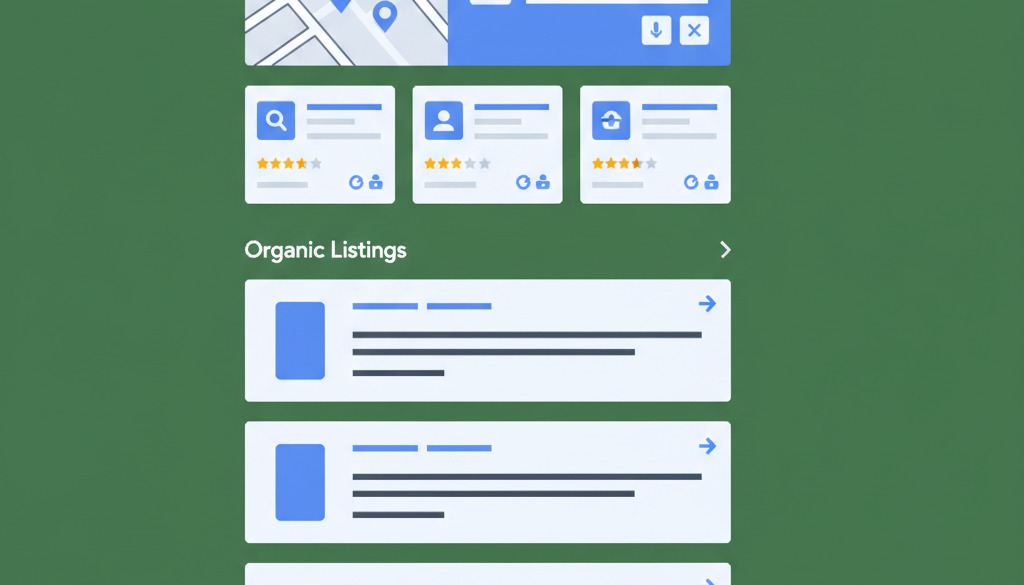
The "Local Pack" is the boxed area at the top of Google’s search results that displays three local businesses with their ratings and contact info. Ranking here is the "Holy Grail" for plumbers because it captures the lion's share of mobile clicks. Google determines these rankings based on three primary factors: Relevance (how well your business matches the search query), Distance (how far you are from the searcher), and Prominence (how well-known and trusted your business is online). Understanding that search engines prioritize proximity and reputation allows you to tailor your strategy to meet these specific algorithmic requirements.
Optimizing Your Google Business Profile: The Cornerstone of Local Visibility
Your Google Business Profile (GBP) is arguably your most important digital asset. It is a free tool, but its impact on your bottom line is immense. To start, you must claim and verify your profile. A verified profile gives you control over how your business appears across Google Maps and Search. Consistency is paramount; your Name, Address, and Phone number (NAP) must be identical to what is listed on your website and other directories.
To fully optimize your GBP, move beyond basic contact info. Select "Plumber" as your primary category, but don't ignore secondary categories like "Heating Contractor" or "Drain Cleaning Service" if applicable. Write a compelling business description that highlights your unique selling points—such as "20 years of family-owned service" or "24/7 emergency response." Furthermore, treat your GBP like a social media feed. Regularly upload high-resolution photos of your fleet, your team in uniform, and "before and after" shots of successful repairs. In 2026, Google’s algorithm increasingly favors "freshness," so consistent updates and new photos signal that your business is active and reliable.
On-Page SEO Essentials for Plumbing Websites: Telling Search Engines Who You Are
While your GBP drives the Map Pack, your actual website earns you authority in the organic listings. On-page SEO involves optimizing individual pages on your site to rank higher. This begins with aggressive keyword research. Instead of just targeting "plumber," aim for high-intent long-tail keywords like "water heater repair [Your City]" or "clogged toilet service in [Your Neighborhood]."
A common mistake many plumbers make is having a single "Services" page that lists everything. To rank well, you need a dedicated page for every major service you offer—hydro-jetting, leak detection, sewer line replacement, etc. This allows you to create specific, high-quality content that satisfies Google’s depth-of-knowledge requirements. Additionally, ensure your website is mobile-responsive. Since most plumbing emergencies are searched for on mobile devices, a slow-loading or poorly formatted mobile site will cause potential leads to "bounce" back to the search results, hurting your rankings and costing you revenue.
Building Local Authority: Generating High-Quality Backlinks and Citations
In the eyes of search engines, a backlink (a link from another website to yours) acts as a "vote of confidence." For local SEO, the source of the link matters as much as the link itself. Acquiring backlinks from local sources—such as the local Chamber of Commerce, neighborhood associations, or even a local youth sports team you sponsor—signals to Google that you are a legitimate pillar of the local community.
Parallel to backlinks are citations: mentions of your business's NAP on directory sites like Yelp, Angie (formerly Angie's List), Yellow Pages, and Better Business Bureau. Aggregator sites and industry-specific directories help build a web of data that confirms your location to Google. Ensure there are no "duplicate" listings or outdated phone numbers across the web. Inconsistencies in your NAP can confuse search engines and lead to a drop in your local rankings. Tools like Moz Local or BrightLocal can help you audit and manage these citations efficiently.
Content Marketing for Local Plumbers: Becoming a Trusted Resource
Content marketing isn't just for bloggers; it’s a powerful tool for plumbers to demonstrate expertise and capture "top-of-funnel" traffic. When a homeowner searches for "why is my water heater making a knocking sound," they are looking for information. By providing a blog post that explains the causes of sediment buildup, you establish yourself as the expert before they even need to call a professional.
Focus your content on local issues. For instance, if your city has hard water, write a guide on the "Best Water Softeners for [City Name] Residents." During seasonal transitions, create checklists like "How to Winterize Your Outdoor Faucets in [State]." This localized content attracts residents in your specific service area and keeps your brand top-of-mind. Always end every piece of content with a clear call-to-action (CTA), such as a "Book Now" button or a click-to-call phone number, to convert that educational traffic into a lead.
Mastering Online Reviews and Reputation Management
Reviews are the backbone of trust in the plumbing industry. In fact, Google has explicitly stated that review count and score factor into local search ranking. A business with 150 four-star reviews will often outrank a business with only five five-star reviews. However, in 2026, "review freshness" is equally critical. Google wants to see that you are providing excellent service now, not just three years ago.
Develop a proactive system for soliciting reviews. Train your technicians to ask for a review immediately after completing a job while the customer is most satisfied. You can use QR codes on your business cards or automated SMS follow-ups to make the process frictionless. Most importantly, you must respond to all reviews—both positive and negative. A professional, calm response to a negative review shows potential customers that you are accountable and committed to customer satisfaction, which can often negate the impact of the original complaint.
Local SEO Technicalities: Ensuring a Smooth User and Search Engine Experience
Technical SEO is the plumbing of your website; if it’s broken, the whole system fails. One of the most important technical elements is Schema Markup (specifically LocalBusiness schema). This is a snippet of code that tells search engine crawlers exactly what your business does, your hours of operation, and your service area in a language they understand perfectly. This can lead to "rich snippets" in search results, making your listing look more professional and informative.
Furthermore, security is non-negotiable. Ensure your site uses HTTPS (indicated by the padlock icon in the browser). Google prioritizes secure sites, and customers are wary of entering their contact information into an "unsecured" website. Lastly, submit a clean XML sitemap to Google Search Console. This act essentially hands Google a map of your site, ensuring that every service page you’ve created is indexed and searchable.
Measuring Success and Adapting Your Local SEO Strategy
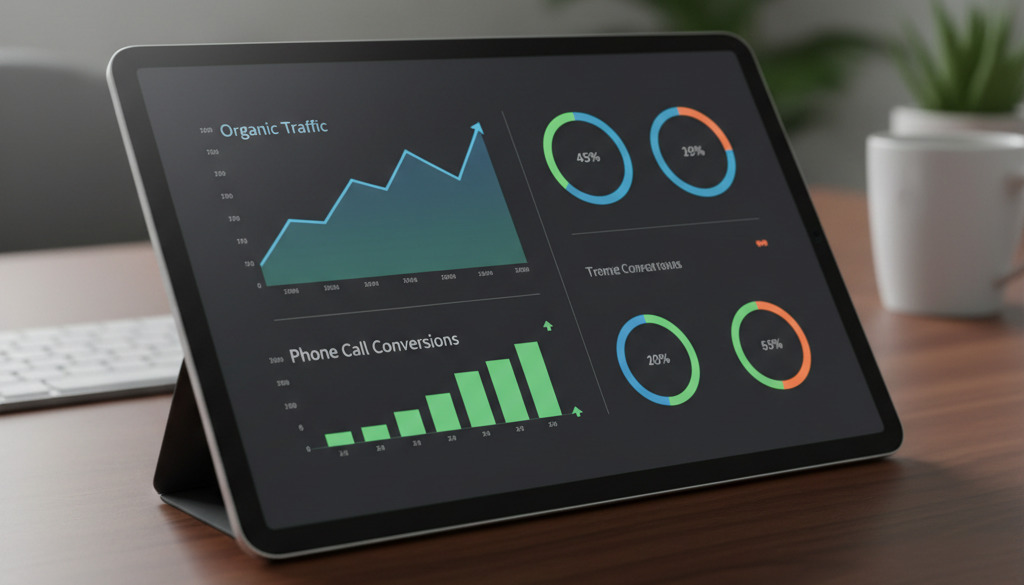
You cannot manage what you do not measure. A successful local SEO strategy requires consistent tracking of Key Performance Indicators (KPIs). The most important metric for a plumber isn't just "traffic"—it’s conversions. Use Google Search Console to see which keywords are driving impressions and use Google Business Profile insights to track how many "Click to Calls" or "Request for Directions" your profile is generating.
Analyze your competition regularly. If a competitor suddenly jumps ahead of you in the Map Pack, look at their recent activity. Have they gained more reviews? Did they update their services? Are they posting more photos? Search engine algorithms are dynamic, and your strategy must be too. Quarterly audits of your website performance and review velocity will help you identify which tactics are working and where you need to pivot your efforts.
Advanced Local SEO Tactics for Plumbing Businesses
Once you have the foundations in place, you can explore advanced tactics to widen the gap between you and your competitors. Local Service Ads (LSAs) are a powerful supplement to organic SEO. These are the "Google Guaranteed" ads that appear at the very top of search results. While they are pay-per-lead, they offer high trust-value and immediate visibility while your organic SEO efforts continue to mature.
Another advanced tactic is localized video marketing. A 30-second video introducing your team or a time-lapse of a complex sewer repair can be embedded on your service pages and uploaded to your GBP. Video content significantly increases the time users spend on your page, which is a positive signal to Google. Additionally, consider using a CRM (Customer Relationship Management) tool that integrates with your website. This allows you to track exactly which search terms led to a high-ticket job, allowing you to double down on the most profitable aspects of your business.
Conclusion: Sustaining Local Dominance and Long-Term Growth
Local SEO for plumbers is not a one-time task, but a continuous cycle of optimization, engagement, and reputation building. By prioritizing your Google Business Profile, creating deeply localized website content, and fostering a culture of customer reviews, you build a digital asset that works for you 24 hours a day. The plumbing market remains highly competitive, but the businesses that invest in their local search presence are the ones that will thrive as consumer behavior continues to shift toward digital-first discovery.
Start today by claiming your profile, cleaning up your NAP data, and asking your next satisfied customer for a review. In the plumbing world, the best time to fix a leak is before it happens—and the best time to start your SEO journey is now.
Keep reading
Hand-picked guides that go deeper — open the one you need next:
- Multilingual SEO AI Content: Scaling Global Growth in 2026
- SEO 2026: Best Practices
- AI Content Keyword Research: The 2026 Strategy Guide
- Best SEO Tools 2026