
Mastering Shopify Buyer Intent Content for Higher Sales
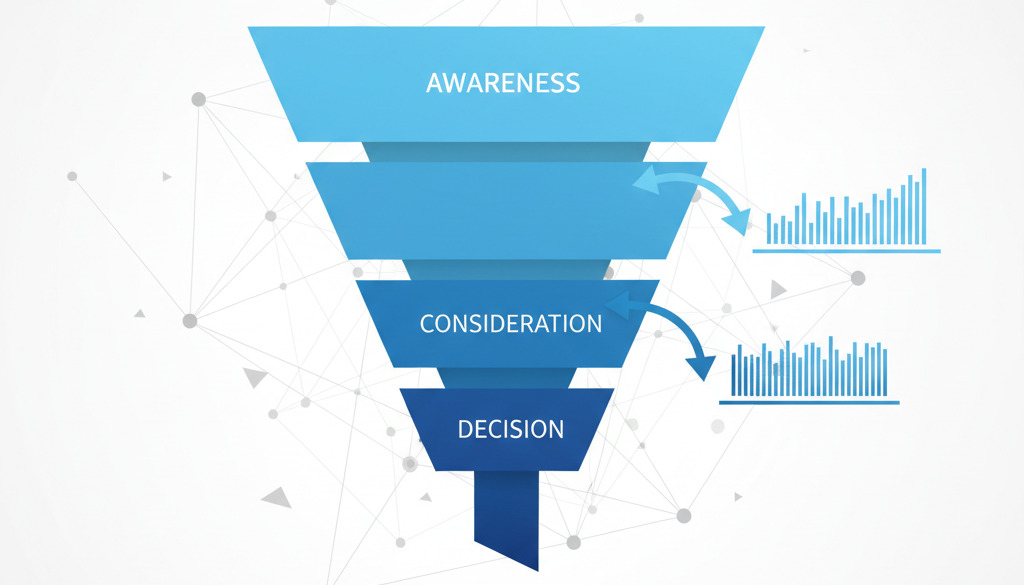
In the fiercely competitive landscape of modern e-commerce, simply driving traffic to your Shopify store is no longer enough to guarantee success.[1] As digital advertising costs climb and consumer attention spans dwindle, the difference between a high-performing storefront and a struggling one often lies in a single concept: buyer intent. Understanding what a visitor wants—and where they are in their purchasing journey—allows you to present the right content at the exact moment they need it.
Buyer intent isn't a monolith; it's a spectrum that ranges from a casual "just looking" to a motivated "buy now." On platforms like Shopify, where user experience is paramount, tailoring your content strategy to these different stages of intent is the key to maximizing conversion rates and lowering customer acquisition costs. This article will provide a comprehensive roadmap for Shopify store owners to decode intent signals and build a content ecosystem that drives sustainable growth.
Understanding the Spectrum of Buyer Intent in E-commerce
Before you can optimize your Shopify store, you must understand the psychological progression of a shopper. Buyer intent is typically categorized into three primary stages, each requiring a distinct content approach.
- Informational Intent: At this stage, the user is looking for knowledge. They might be identifying a problem they have or learning about a new hobby. Queries are usually broad, such as "how to fix dry skin" or "benefits of ergonomic chairs." These users aren't ready to buy yet; they are seeking a trusted advisor.
- Navigational Intent: This occurs when a user is looking for a specific brand or website. They might search for "Shopify login" or "Allbirds sneakers." They already have a destination in mind, and your goal is to ensure they land on the correct page without friction.
- Transactional Intent: This is the "gold mine" of intent. The user has decided what they want and is ready to pull out their credit card. Queries are highly specific, such as "buy men's black leather Chelsea boots size 10" or "best price for Sony WH-1000XM5."
Mapping your Shopify content to these stages is critical. If a user with informational intent lands on a hard-sell product page, they may bounce because they aren't ready for a pitch. Conversely, a transactional user landing on a long-form blog post might get frustrated by the extra steps required to purchase. Aligning content with intent ensures a smoother user experience and higher retention.
The Power of Keyword Research for Decoding Buyer Intent on Shopify
Keyword research is the diagnostic tool that reveals the hidden motives of your audience. By analyzing what people type into search engines, you can categorize your product offerings and content assets into intent buckets.
To master this on Shopify, you should focus on long-tail keywords. While "dog beds" might have high volume, "orthopedic dog bed for senior labradors" has much higher transactional intent. Tools like Ahrefs and SEMrush are invaluable here, but don't overlook Shopify’s internal search data. By reviewing which terms people search for inside your store, you can identify gaps in your current content or inventory.
Identifying commercial intent keywords is specifically about looking for modifiers. Words like "buy," "price," "discount," "shipping," and "vs" indicate that the user is actively shopping. For instance, a keyword like "is linen better than cotton" indicates a consideration stage, while "linen duvet cover discount code" is purely transactional. Prioritize keywords where the Cost Per Click (CPC) is high in Google Ads; this usually signals that competitors find those keywords highly profitable, confirming their high intent status.
Crafting Informational Content to Attract Early-Stage Buyers
Informational content is the "top of the funnel" strategy designed to capture users before they even know they need your specific product. By providing value for free, you establish your Shopify brand as an authority in your niche. This builds a foundation of trust that makes them more likely to choose you when they move into the decision phase.
The most effective format for this is the Shopify blog. Instead of writing about your company news, focus on "How-to" guides and problem-solving articles. For example, if you sell artisanal coffee equipment, a blog titled "5 Common Mistakes That Make Your Home Brew Bitter" targets a user who wants better coffee but doesn't yet know they need your precision grinder.
Other formats include glossaries (e.g., "The Ultimate Dictionary of Skincare Ingredients") and infographics that visualize complex data. According to recent search trends, visual learners make up a significant portion of the browsing public, and infographics are highly shareable on platforms like Pinterest, driving referral traffic from users in the "inspiration" phase of their journey.
Engaging Consideration-Stage Buyers with Comparative and Solution-Oriented Content
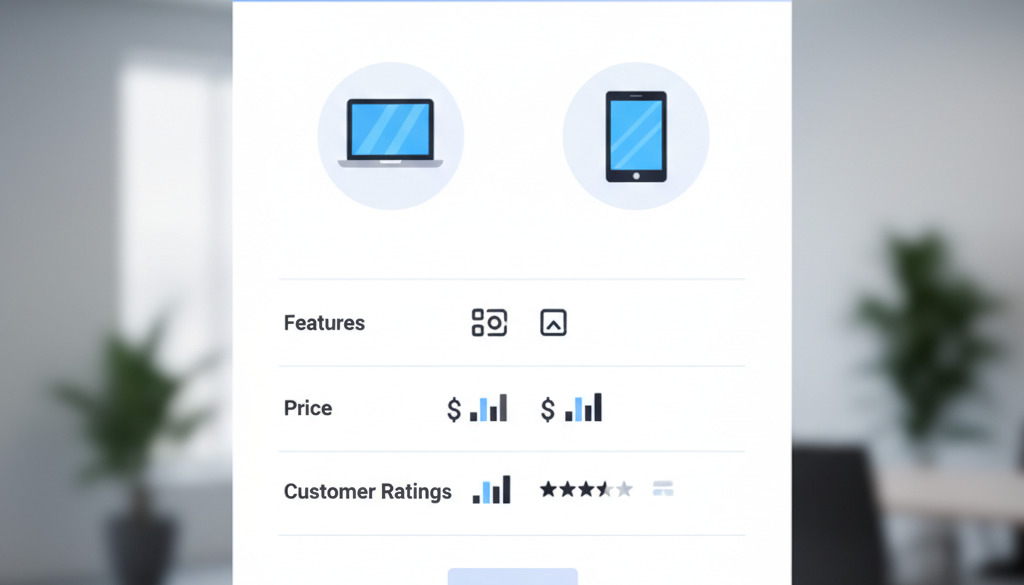
Once a buyer understands their problem, they begin evaluating solutions. This is the consideration stage. Your content here should be objective yet persuasive, helping the user navigate their choices while subtly highlighting your product's unique value proposition.
Product comparison guides are incredibly powerful here. Users often search for "[Your Brand] vs [Competitor]." By creating a dedicated page on your Shopify store that compares your product fairly against others, you control the narrative. If you don't provide the comparison, they will find it on a third-party site where you have no influence over the conclusion.
Case studies and "Best of" lists are also highly effective. A Shopify store selling fitness gear might publish an article titled "Top 5 Resistance Bands for Small Apartments: Tested and Ranked." This helps the user narrow down their options. It moves them from the general idea of "I need to work out" to the specific realization of "I need these specific resistance bands."
Converting Decision-Stage Buyers with Transactional Content on Shopify
When a buyer reaches the decision stage, your content needs to remove every possible barrier to purchase. This is where your Shopify product pages do the heavy lifting. A transactional user wants facts, speed, and reassurance.
First, optimize your meta descriptions and titles for transactional keywords. A title like "Eco-Friendly Yoga Mat - Free Shipping & 30-Day Returns" is far more likely to get the click from a motivated buyer than a generic "Green Yoga Mat." You are addressing their intent (buying a mat) and their secondary concerns (shipping costs and risk) before they even click.
On the page itself, focus on social proof and technical clarity. Ensure that reviews and star ratings are prominently displayed near the "Add to Cart" button. Use urgency tactics judiciously; Shopify apps like "Low Stock Alerts" or "Limited Time Offer" counters can nudge a hesitant buyer into action. However, the most important "content" at this stage is often the FAQ section—addressing questions about sizing, materials, and shipping prevents a user from leaving the page to look for answers elsewhere.
Leveraging Shopify's Native Features for Buyer Intent Content
The Shopify platform is designed with commerce-centric content in mind. You don't always need third-party tools to capture intent; you can often use native features more strategically. Shopify Collections, for example, can be organized by intent rather than just category. A "Gifts Under $50" collection targets a specific price-conscious intent, while a "Professional Series" collection targets a high-performance intent.
The Rich Text Editor on product pages should not be used for a single block of text. Instead, use it to create structured content with accordions or tabs for "Specifications," "Care Instructions," and "Warranty Information." This allows transactional buyers to find technical data quickly while keeping the page clean for more visual browsers.
Furthermore, Shopify Markets and customer segmentation allow for high-level personalization. As highlighted by 2026 e-commerce trends, showing different content to different visitors based on their region or previous browsing behavior is no longer optional. If a user has repeatedly viewed your "Winter Collection," your Shopify homepage should adapt to feature those products, effectively acknowledging their demonstrated intent.
The Role of SEO in Amplifying Buyer Intent Content on Shopify
SEO is the bridge that connects a user’s search query to your intent-driven content. On Shopify, this means going beyond keyword stuffing and focusing on Semantic SEO and structured data. Search engines are increasingly sophisticated at understanding the context of a page, not just the words on it.
One of the most underutilized strategies is implementing Schema Markup. By using Product and Review Schema, you can make your Shopify store eligible for "Rich Snippets" in Google search results. This means your price, stock status, and star rating appear directly on the search results page. This attracts high-intent buyers who can see that you have exactly what they want at the price they expect before they even visit your site.
Internal linking is another critical factor. Use your informational blog posts to link to transactional product pages using descriptive anchor text. This doesn't just help with rankings; it creates a logical path for the user to follow as their intent shifts from "learning" to "buying." A "How-to" guide on plant care should naturally link to your "Best-selling organic fertilizers."
Measuring the ROI of Buyer Intent Content for Shopify Stores
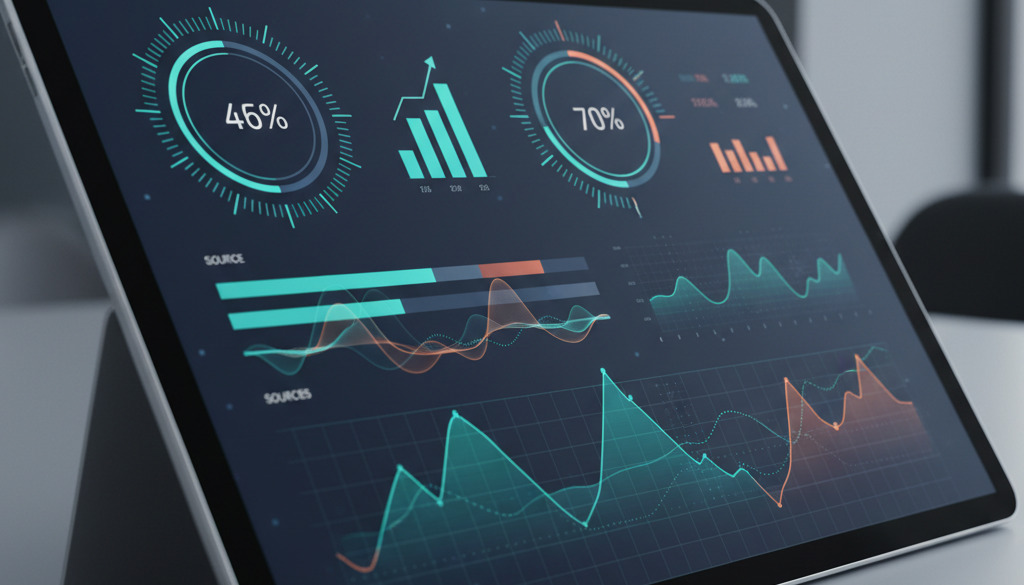
You cannot improve what you do not measure. Tracking the performance of intent-based content requires looking beyond simple traffic numbers. You need to understand how different content types contribute to the ultimate goal: revenue.
Using Shopify Analytics in tandem with Google Analytics 4 (GA4), you should track "Assisted Conversions." Often, an informational blog post might not result in an immediate sale, but it may be the first touchpoint in a journey that leads to a sale three days later. If you only look at last-click attribution, you might mistakenly think your top-of-funnel content isn't working.
Key metrics to watch include:
- Conversion Rate by Landing Page: Which informational posts actually lead people to view products?
- Add-to-Cart Rate on Product Pages: Is your transactional content persuasive enough?
- Search Query Reports: Are people finding your site using the high-intent keywords you targeted?
Setting up conversion tracking for specific flows is essential. For example, you can create a specific segment for users who visited your "Comparison Guide" and then went on to purchase. This allows you to calculate the ROI of that specific piece of consideration-stage content.
Building Long-Term Customer Relationships Through Intent-Driven Content
The journey doesn't end with a purchase. Post-purchase content is where you turn a buyer into a brand advocate. According to the 2025 State of Post-Purchase Report, consumer experiences after the checkout are now a primary driver of brand loyalty. This is the stage of "retention intent"—where the user seeks to validate their purchase and potentially find related items.
Shopify store owners should use automated email flows to deliver usage-based content. If a customer buys a high-end skincare serum, send them a "How to store and apply" guide 24 hours later. This reduces "buyer’s remorse" and increases the perceived value of the product.
Furthermore, leverage AI recommendation systems to personalize future content. By analyzing past purchase history and browsing signals, you can present "Recommended for You" content on your Shopify store that feels truly relevant. If a customer has previously shown intent for "sustainable materials," your follow-up emails and homepage banners should prioritize your eco-friendly lines. This consistent alignment with the customer's evolving intent creates a cohesive omnichannel experience that fosters long-term growth.
Conclusion
Mastering buyer intent content is not a one-time project, but a fundamental shift in how you approach e-commerce on Shopify. By moving away from generic marketing and toward an intent-driven model, you treat your customers as individuals with specific needs at specific times. This strategy effectively captures early-stage researchers, guides mid-stage evaluators, and converts late-stage buyers with precision.
As the e-commerce landscape evolves, the brands that thrive will be those that listen to their data and provide the most relevant answers to their customers' unspoken questions. Start by auditing your current Shopify content: do you have a path for every type of intent? If not, filling those gaps is the first step toward a more efficient, profitable, and customer-centric storefront. Embrace the power of intent, and watch your Shopify store reach its full potential.
Keep reading
Hand-picked guides that go deeper — open the one you need next:
- Shopify Store Owners: Maximize Sales with AI-Powered Blog Content
- Boost Your Shopify Sales with AI-Powered Buyer Intent Content
- Shopify E-commerce SEO: The Complete 2026 Guide
- Skyrocket Shopify Sales: AI & Buyer Intent SEO
→ Read the full Shopify & Ecommerce guide